

Am I a cosy gamer who happens to love metroidvanias, or am I a metroidvania fan who has convinced herself that some of them are cosy? The two things are not, on the face of it, supposed to go together.
The metroidvania genre, named after Metroid and Castlevania, is traditionally defined by isolation, difficulty, and being lost and then, eventually, found. You are usually small, the world is usually hostile, and the map is usually enormous, full of doors that won’t open yet and creatures that are very keen on reminding you of your own fragility.
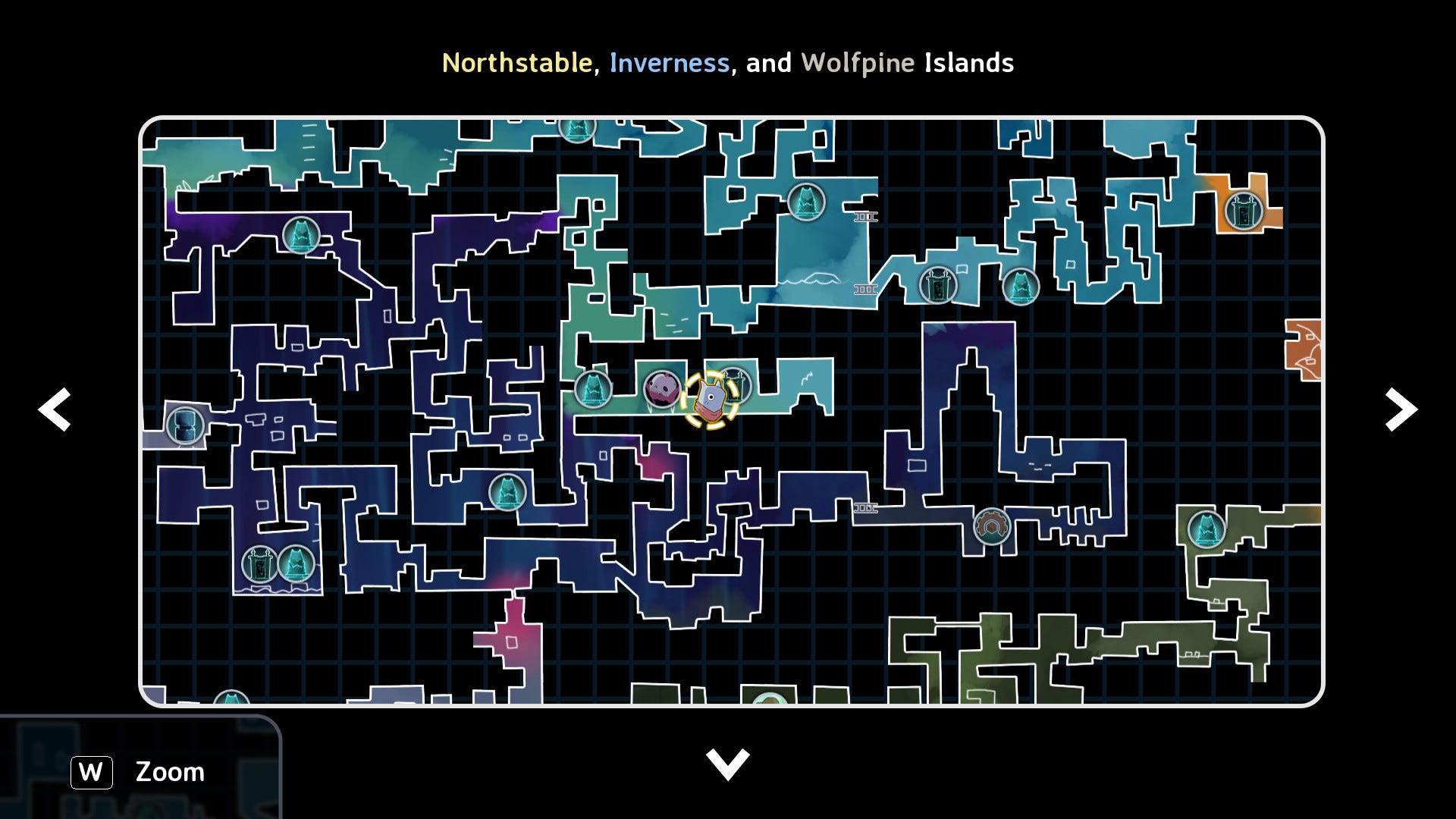
I have been playing metroidvanias over the last couple of months, and I have been enjoying myself enormously. But maybe instead of wondering whether metroidvanias are cosy, I should ask what actually makes a game feel cosy to me and whether any metroidvanias happen to share those qualities. The answer I think is yes, quite a few of them do. But it requires a little unpacking.
What makes a game cosy?
For me, a cosy game has a few core qualities that have nothing to do with genre. It feels safe to explore, failure is present but not punishing in a way that erodes enjoyment, and there is something aesthetically warm about it.
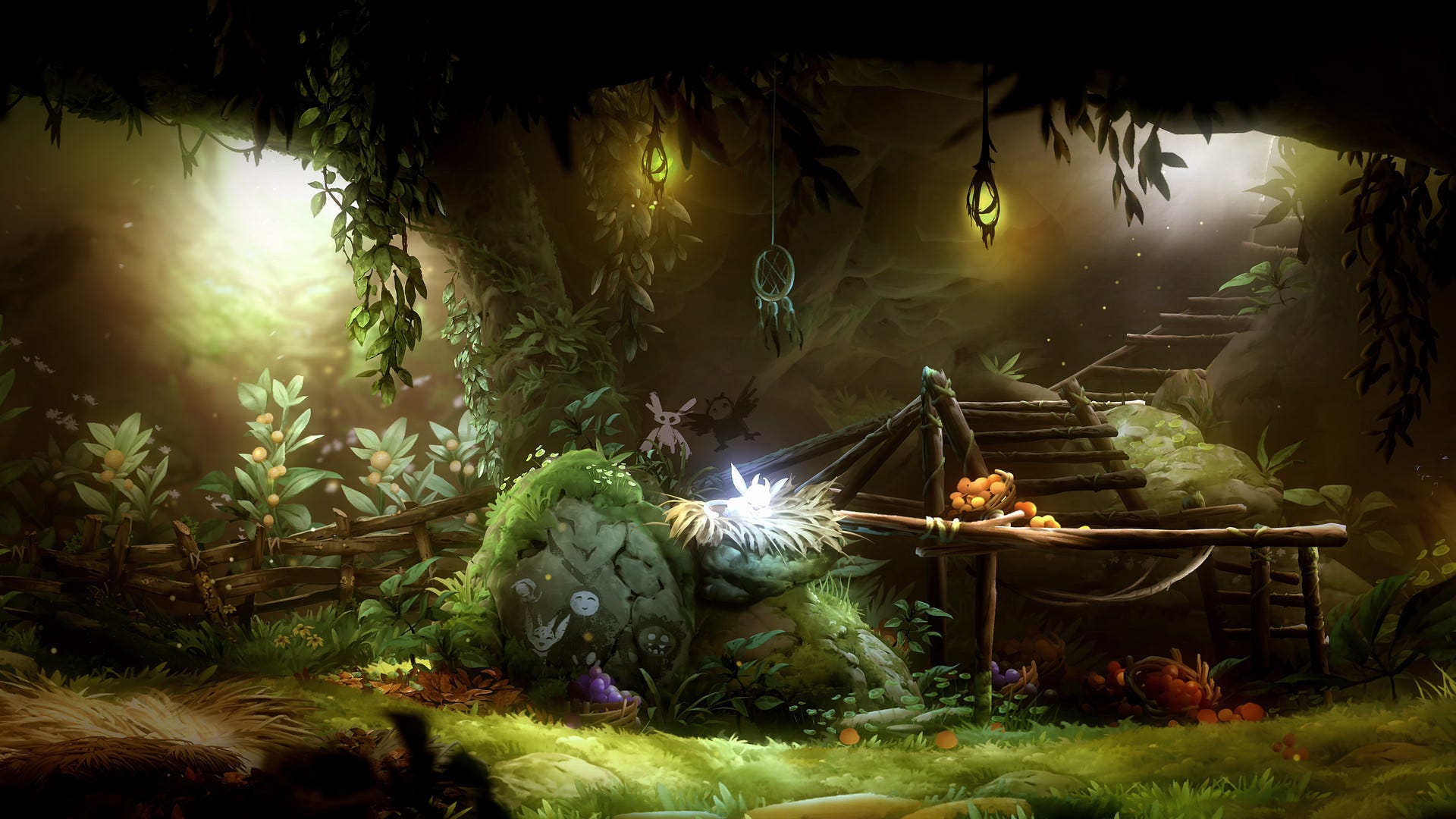
By those standards, my two favourite metroidvanias, the Ori games, are unambiguously cosy. They are visually stunning in a way that feels almost painterly, the soundtracks are extraordinary, and despite having genuine challenge and real emotional stakes, they never feel hostile. Moon Studios created something that manages to be both difficult and beautiful in a way that keeps you wanting to push forward rather than wanting to put the controller down.
I played Islets recently too, and it gave me the same feeling. You play as Iko, a small and endearing warrior whose fragmented island world has been torn apart, and whose job is to pull it all back together. There’s a warmth to its premise and the art has a softness to it that makes even combat feel more like an adventure than an ordeal. It is a metroidvania that wants you to have a nice time.
The case for a cosy subgenre
I don’t think it’s a coincidence that both Ori and Islets share certain qualities: a world that is beautiful and worth caring about, progression that is driven as much by curiosity as by combat, and a visual style that uses colour and light in ways that feel warm rather than moody or oppressive. Contrast that with something like Hollow Knight, which I have enormous respect for, where the beauty is deliberately cold, the world is melancholic and crumbling, and the difficulty is very much part of the point. Both are brilliant metroidvanias. Only one of them is cosy.
There are other games that sit closer to the cosy end of the dial, and several I’d particularly recommend if you’re looking to stay in this corner of the genre.
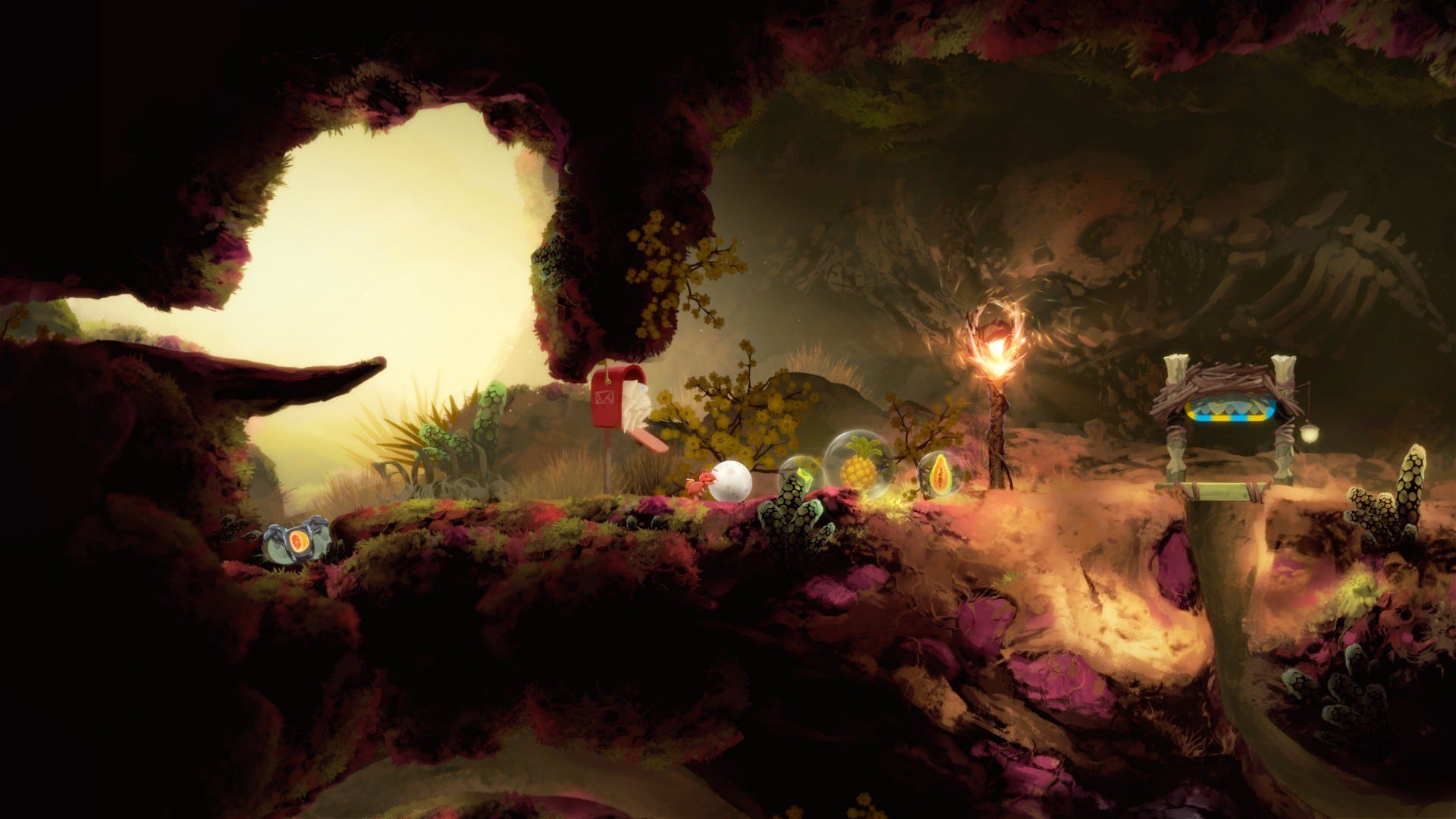
Yoku’s Island Express might be the single most charming metroidvania ever made. You play as a dung beetle called Yoku who washes up on Mokumana Island and finds himself serving as the island’s postmaster while also, inevitably, saving the world. The twist (delightfully) is that the traversal mechanic is entirely pinball-based. There are no conventional jump buttons; Yoku is tethered to a ball, and you navigate the interconnected world using pinball flippers to launch him around. It shouldn’t work, but it does! The game gives you a surprising amount of freedom in where you can go and the order in which you tackle objectives, which gives it that lovely quality of feeling like exploration rather than progression. The soundtrack is tropical jazz and the whole thing feels like a holiday.
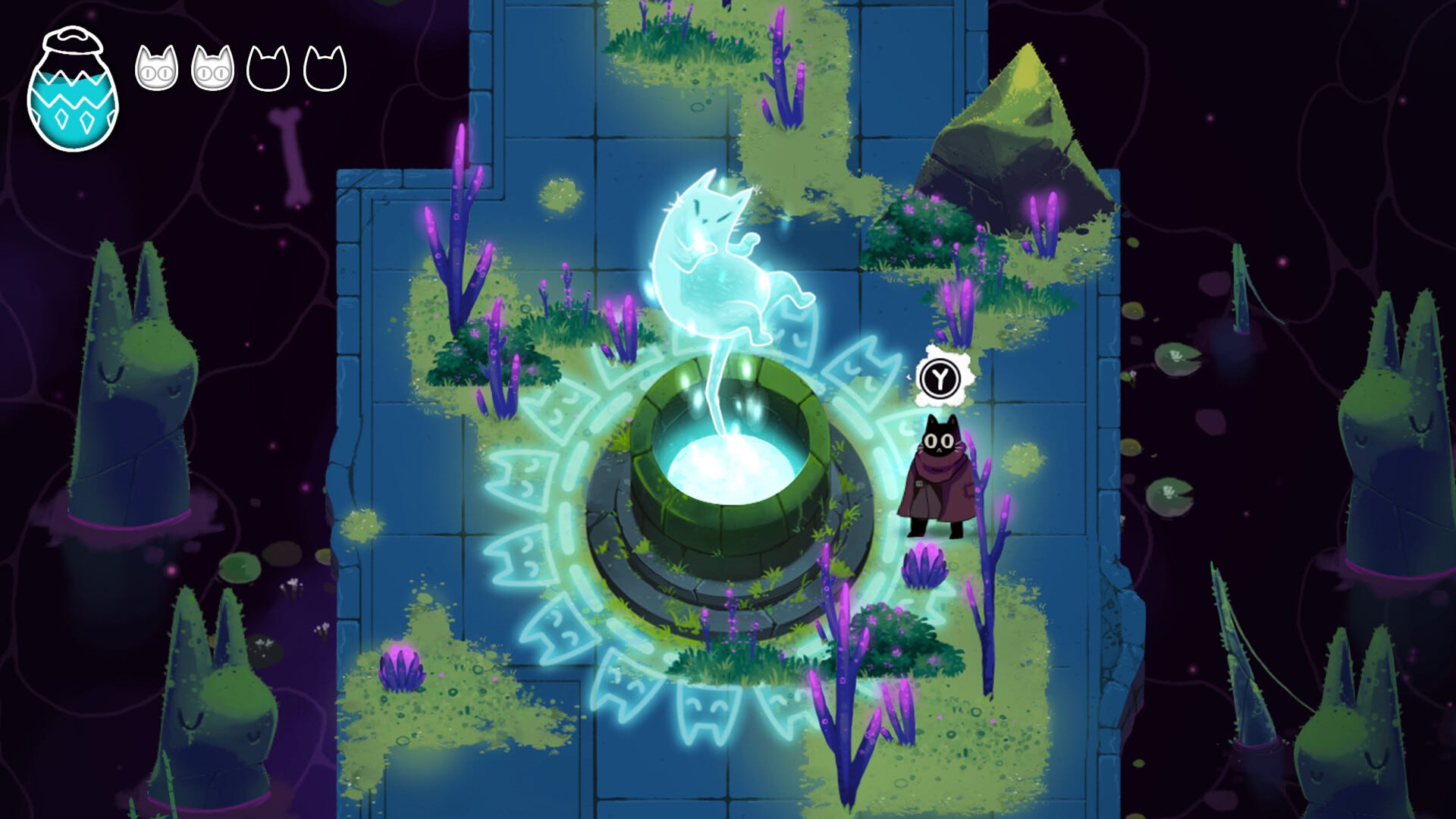
Crypt Custodian is more recent, released in 2024 by the same dev as Islets, and it’s one that I think deserves more attention than it gets. You play as Pluto, a small black cat who has recently died. Rather than the expected dour metroidvania atmosphere, the game casts aside the usual grim themes for a heartfelt story about making friends and cleaning up the afterlife. You explore with a broom and befriend animal spirits. The map grows bigger as you explore, with inaccessible areas you mentally file away to return to once you’ve unlocked new abilities; a classic metroidvania structure, but wrapped in puzzles that hit a balance of head-scratching without becoming frustrating. It has been described as a big warm hug of a game, and I think that’s right.
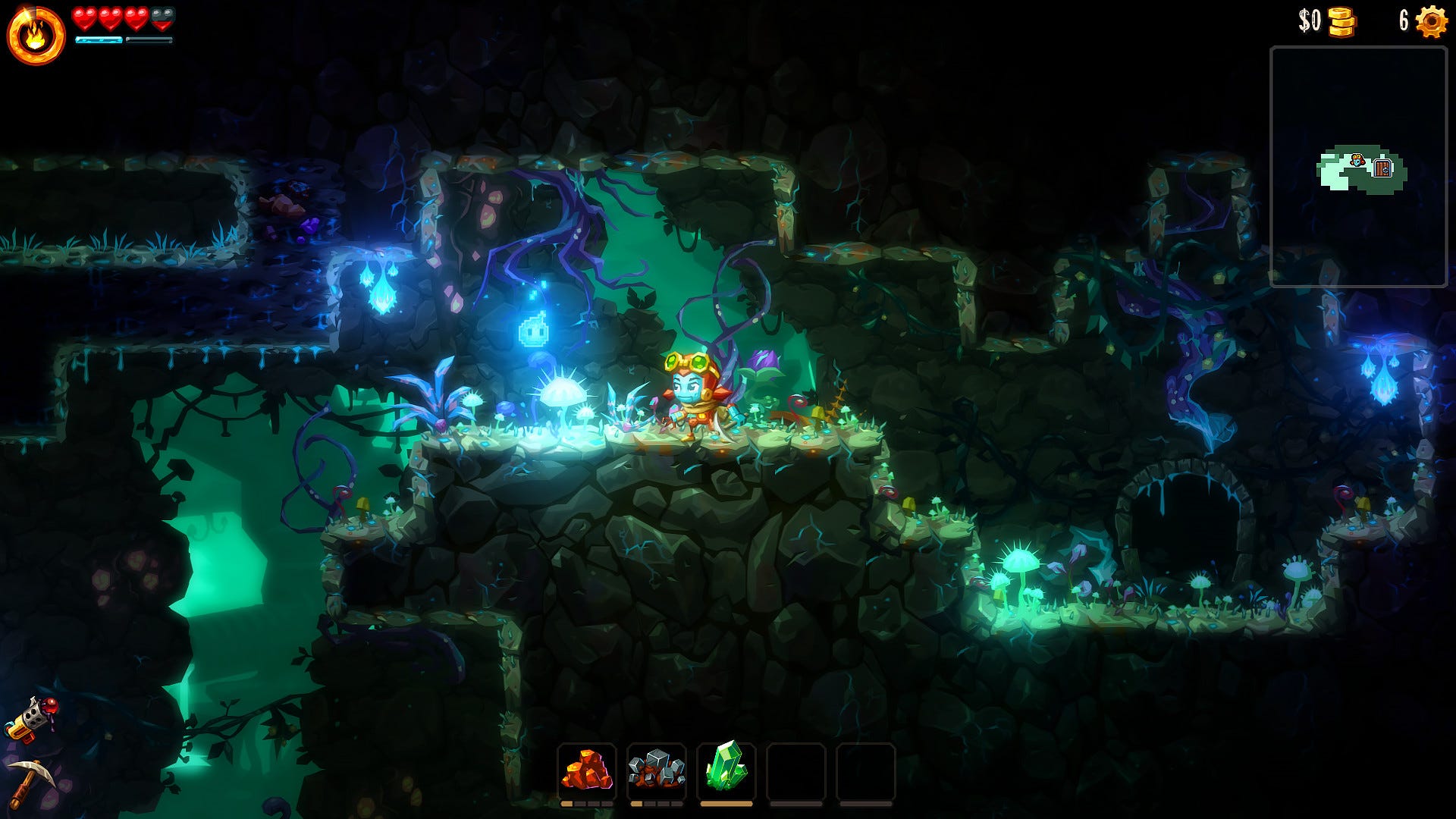
SteamWorld Dig 2 is older, but it earns its place on this list through sheer quality of atmosphere and pacing. Set in a steampunk underground world, it follows a robot called Dorothy searching for a missing friend by digging ever deeper beneath the earth. Gameplay centres on exploration, puzzle-solving and combat, with a progression system built around trading collected resources for upgrades that open up new paths. It does all of this without ever feeling stressful. The rhythm of dig, upgrade, explore is deeply satisfying, and the whole thing is compact enough that it never outstays its welcome. (You can currently pick up SteamWorld Dig 1 and 2 as a bundle for £2.27 on Steam!)
Lone Fungus is a game I wasn’t expecting to love as much as I did. You play as Greencap, a tiny mushroom on a quest to protect all of Mushkind from the Spirit Beast, which is exactly as wonderfully absurd as it sounds. It’s jubilant and colourful, with adorable character designs and a fantastical story, going firmly against the typically moody tone that dominates the genre. What struck me most was how generously it’s designed: you can choose between four difficulty modes or use an Assist Mode, and while the combat has real depth through its parry and spell systems, you are never forced to engage with the harder mechanics to make progress. I didn’t parry once and still had a brilliant time.
Worth knowing before you dive in: there are now two games in this little mushroom universe. Melody of Spores, released in late 2025, is a standalone prequel set thousands of years before the original, following Greencap’s ancestor on a quest to unite the mushroom tribes. By most accounts it’s the more polished of the two; the visual direction has improved considerably, with every biome now looking distinct and memorable, and the pacing is tighter throughout. If you’re coming to the series fresh, Melody of Spores is probably the better entry point. If you’ve already played the original as I have, it’s a very easy recommendation for what to play next.

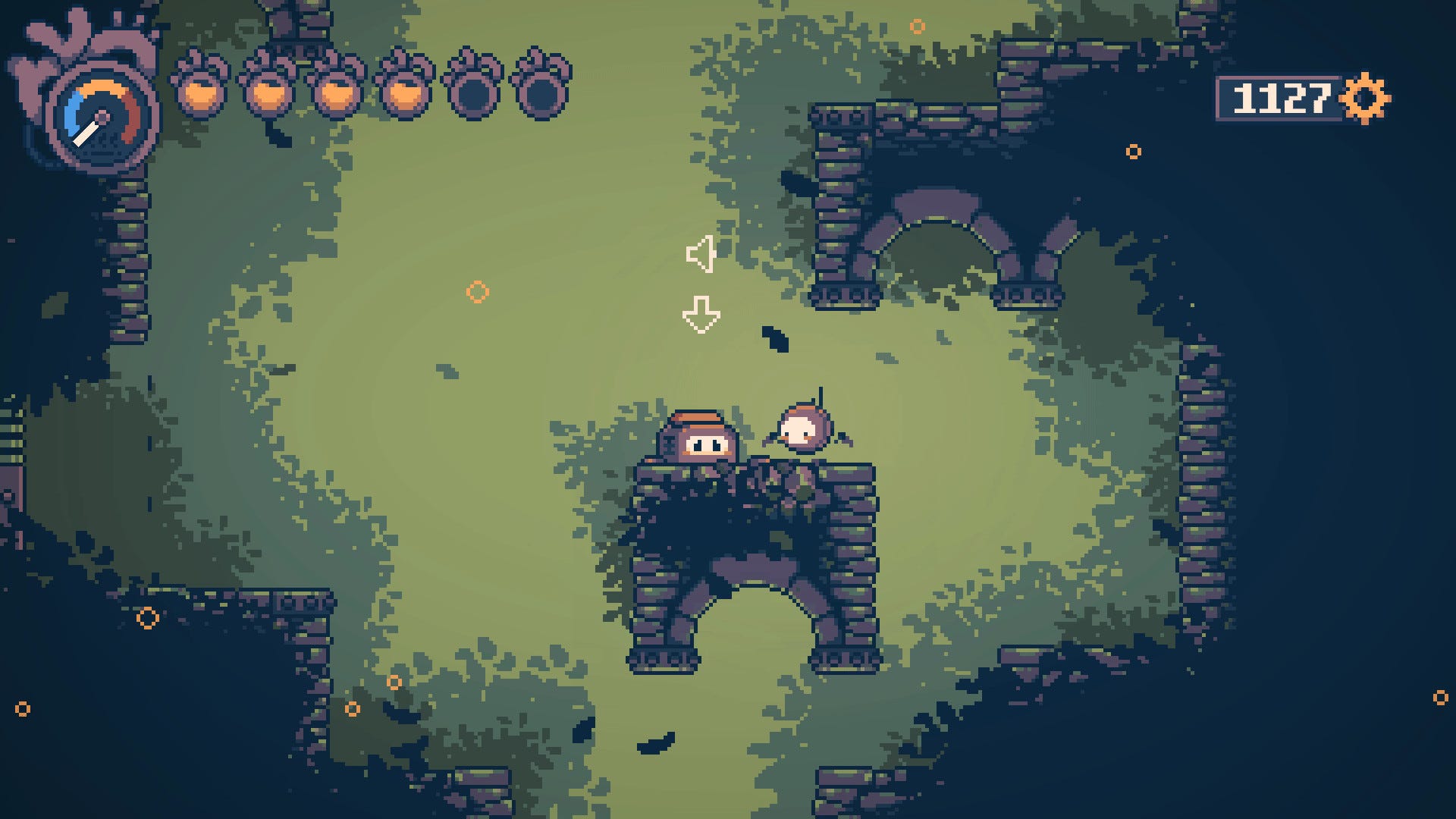
Haiku the Robot is an interesting one to include on a cosy list, because on paper it isn’t. It’s set in a post-apocalyptic world where a nuclear explosion has wiped out all organic life, and Haiku battles through corrupted machines with a creepily atmospheric energy running through the whole thing. And yet I found it deeply absorbing in a way that felt, if not cosy exactly, then certainly comfortable. By not making it a bleak setting with overtones of the end of times as Hollow Knight leans into so fully, it ends up feeling different: more easy-going, more approachable I guess. The pixel art is hand-animated with real care, and satisfying little details draw your eye as you explore: leaves drifting across the screen, water sprinklers triggering as you pass, background fires raging at a safe distance. If you can make peace with a robotic world rather than an organic one, Haiku is absolutely worth your time.
A word about difficulty
One thing worth noting is that “cosy” doesn’t mean easy, and it doesn’t mean the absence of challenge. The Ori games have sequences that can take multiple attempts (hello Ginso Tree escape sequence, I hate you) and Islets has moments where I found myself trying the same boss fight several times. What distinguishes these games from their grimmer cousins isn’t that they lack difficulty, but that the difficulty doesn’t feel designed to break you. You can and will get through it!
I think there’s sometimes a tendency to conflate “cosy” with “mindless”, and I don’t think they’re the same thing. A game can be beautiful and warm and inviting and be a little bit hard, even on easy mode.
What the community recommends
When I started thinking about this piece, I went looking for what other players were saying, and the metroidvania community online has strong opinions on this, which is both very on-brand and very useful. When asked about gentler, more approachable entries in the genre, several names came up repeatedly. I haven’t played any of these myself yet, but they’re sitting on my wishlist now, and they might belong on yours:
Catmaze, a folklore-inspired adventure with hand-drawn Slavic art.
Phoenotopia: Awakening, which draws heavily on classic Zelda and is frequently described as warm and story-rich. I’m praying that this is on a good sale this Summer!
Transiruby, a laid-back Japanese indie with a pastel aesthetic and minimal combat pressure.
Gato Roboto, a monochrome charmer where you play as a cat in a mech suit (currently £1 on Steam, which is frankly absurd value and it’s now in my library).
Sheepo, a short and sweet platformer with a shapeshifting mechanic in place of traditional combat. Same dev as Islets and Crypt Custodian.
TEVI, a fast-paced but vibrantly colourful bullet-grazing adventure.
Rabi-Ribi, a Japanese indie that blends bullet-hell shooting with classic exploration in a way that sounds chaotic but is apparently enjoyable once it clicks.
The breadth of that list is part of what I find so encouraging about the genre right now. There’s something here for almost every tolerance for challenge and every aesthetic preference.
So: do cosy metroidvanias exist?
Yes!! They absolutely do. The genre’s reputation for darkness and punishment is well-earned when you look at its most celebrated titles, but it has a gentler side that I think gets overlooked.
If you loved the Ori games and you’re looking for that same sense of wonder and warmth, Islets is the most natural next step. Lone Fungus is a small masterpiece that I can’t recommend highly enough. Yoku’s Island Express is a complete original that deserves a place in anyone’s library. And if you want something with a bit more edge to it but still within the approachable end of the spectrum, Haiku the Robot will not disappoint.
The metroidvania isn’t a hostile genre, it just usually acts like one. The cosy ones are there if you know where to look. Enjoy!
Ori and the Blind Forest is a wonderful game, haven't played the sequel yet. And metroidvanias I think are my favourite genre because of their logical progression and structure, Super Metroid being my all time favourite.
As I was reading your excellent post (had no idea there were so many to call "cosy") it made me think why I enjoy the backtracking so much. Calling it cosy might be the wrong word, but I find it very satisfying and relaxing. The first time through an area is harder or challenging, but eventually you will have to return and you'll be more powerful. It is incredibly satisfying to smash through what used to be a tricky part and suddenly blitz through with ease. I can't explain it better than that but I hope that makes sense.
Catmaze and gato roboto were awesome finds in my book in this genre. Really was surprised by them.