

You know that stock image of a teenage boy hunched over a console in his bedroom at 3 a.m.? It feels almost nostalgic now… because according to the latest data, it belongs firmly in the past.
A recent survey by Entertainment Software Association (ESA), dubbed the 2025 Power of Play Report, polled 24,216 people across 21 countries and six continents. It found that the “average gamer” is now 41 years old; coincidentally the same age as me at time of writing!
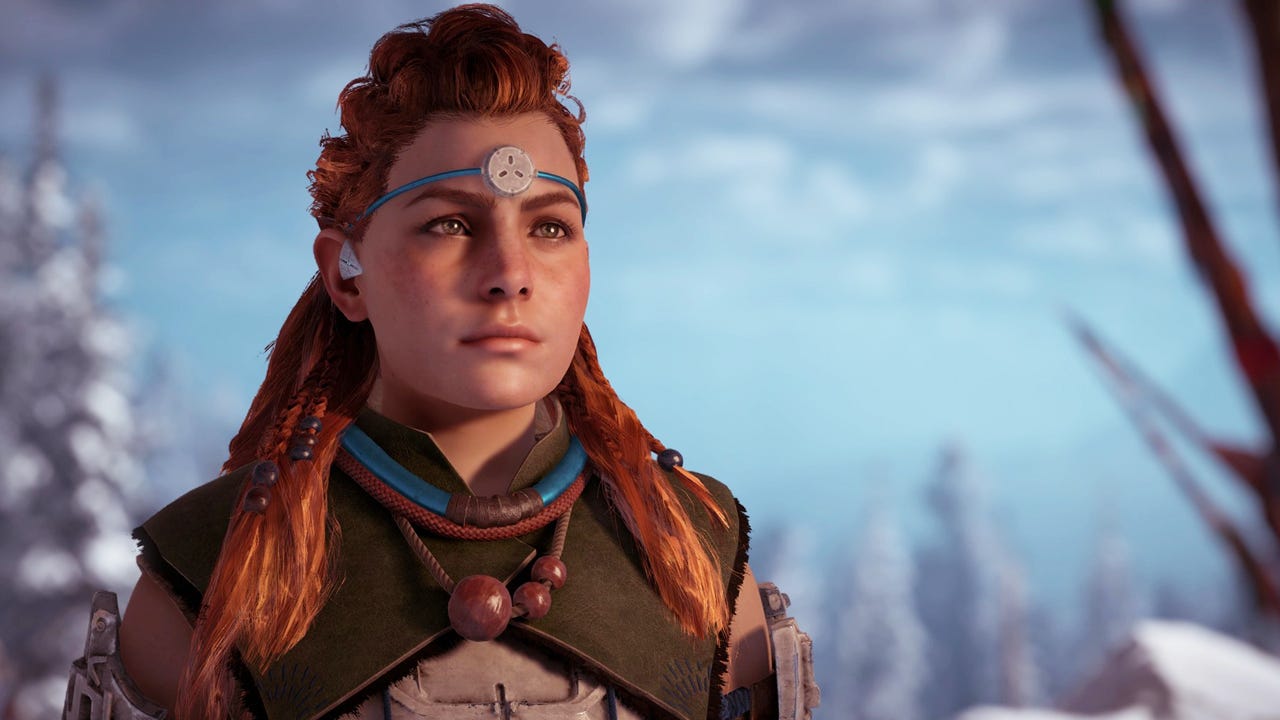
But that’s not all: the old stereotype of gaming as a male-dominated pastime is breaking down, too. The survey also found the gender split among gamers is almost equal: 51% men and 48% women, with a small fraction identifying as non-binary or preferring not to say.
Why So Many Adults (And Women) Are Gaming
So what’s behind the shift? The report provides some clues by asking why people play.
Top reasons:
Fun / enjoyment (66%)
Stress relief / relaxation (58%)
Mental engagement / keeping the brain sharp (45%)
Beyond the basics, gamers also report many of the other perks that often come up in the “Why we play” conversations:
81% say games provide mental stimulation.
80% cite stress relief.
71% say gaming introduced them to new friends or relationships.
64% say it helps them feel less isolated or lonely by connecting them to others.
All these motivations; fun, relaxation, social connection, mental stimulation; clearly resonate beyond teenage bedrooms.
What This Means for the Games We Play (And Make)
This changing demographic has big implications for gaming culture, for the industry, and for us, the gamers themselves:
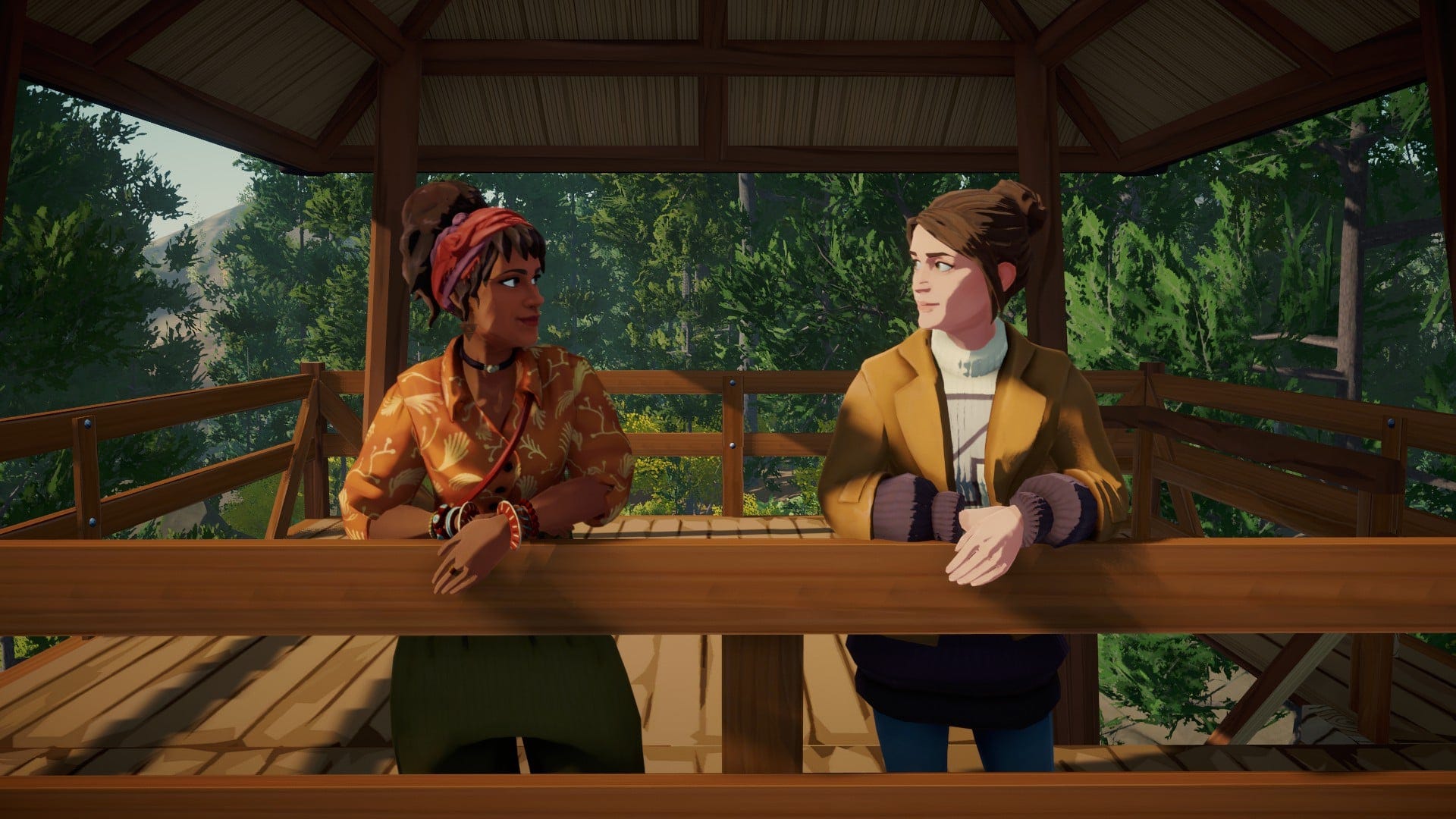
With nearly half of gamers now women, and an average age well into in adult territory (see also: middle age), it’s no surprise that genres and narratives are broadening beyond teen-focused shooters or action-heavy titles. Cosy indies, narrative-led games, storytelling adventures, strategy and simulation, all stand to benefit.
For many of us, gaming is no longer a youthful hobby but a regular part of adult life. We use it as a legitimate way to unwind, stay social, or engage creatively, alongside work, family or other commitments.
The social and emotional benefits that games can bring (stress relief, friendships, shared experiences) are increasingly relevant in a world where adults are often juggling multiple responsibilities, or are more burnt out than ever.
As more women game (and confidently identify as gamers), there’s growing pressure and opportunity for the industry to reflect that in character representation, storytelling, and marketing.
Why It Resonates with Me
As someone who loves cosy indie games, creative desk setups, and the world of over-40 gaming, this latest report feels deeply personal.
The old image of a gamer as a teenage lad with a headset no longer fits, because you, me, my friends, even my parents (yes, even a parent) might be gaming now, perhaps on Switch, Steam, or their phone during a commute.
It says loud and clear: gaming isn’t a passing phase. It’s a hobby that grows with us. And if you ever felt like you’re “too old” or “too different” to belong, the stats say you’re absolutely in the majority.
For me it’s a reminder to embrace the broad, diverse, cosy, quirky, occasionally chaotic world of gaming today, where being 41 (or 42, or 50, or 60) and a woman is, more than ever, totally normal.