

If you’ve not been listening to Tea and XP: A Couple’s Cosy Gaming Podcast, where have you been!? The book-club for cosy games, hosted by a couple of cosy gamers in their 40s, resonates with me every time I listen, and I know you’ll love it too.
Hosted by Brisbane-based couple Erin and Alexander, the podcast takes cosy gaming seriously as a topic worthy of discussion, instead of passing it off as light and airy background content. Every season they choose a selection of games to play, and sit down to shoot the breeze on what makes them fun and cosy (or not). It’s such a chill podcast to listen to, as well as making me laugh out loud almost every episode.
I’m a huge fan of Tea and XP, so I sat down with Erin and Alex to ask them why they started the pod, what cosy gaming means to them, and what exactly makes a cosy game… well, cosy.
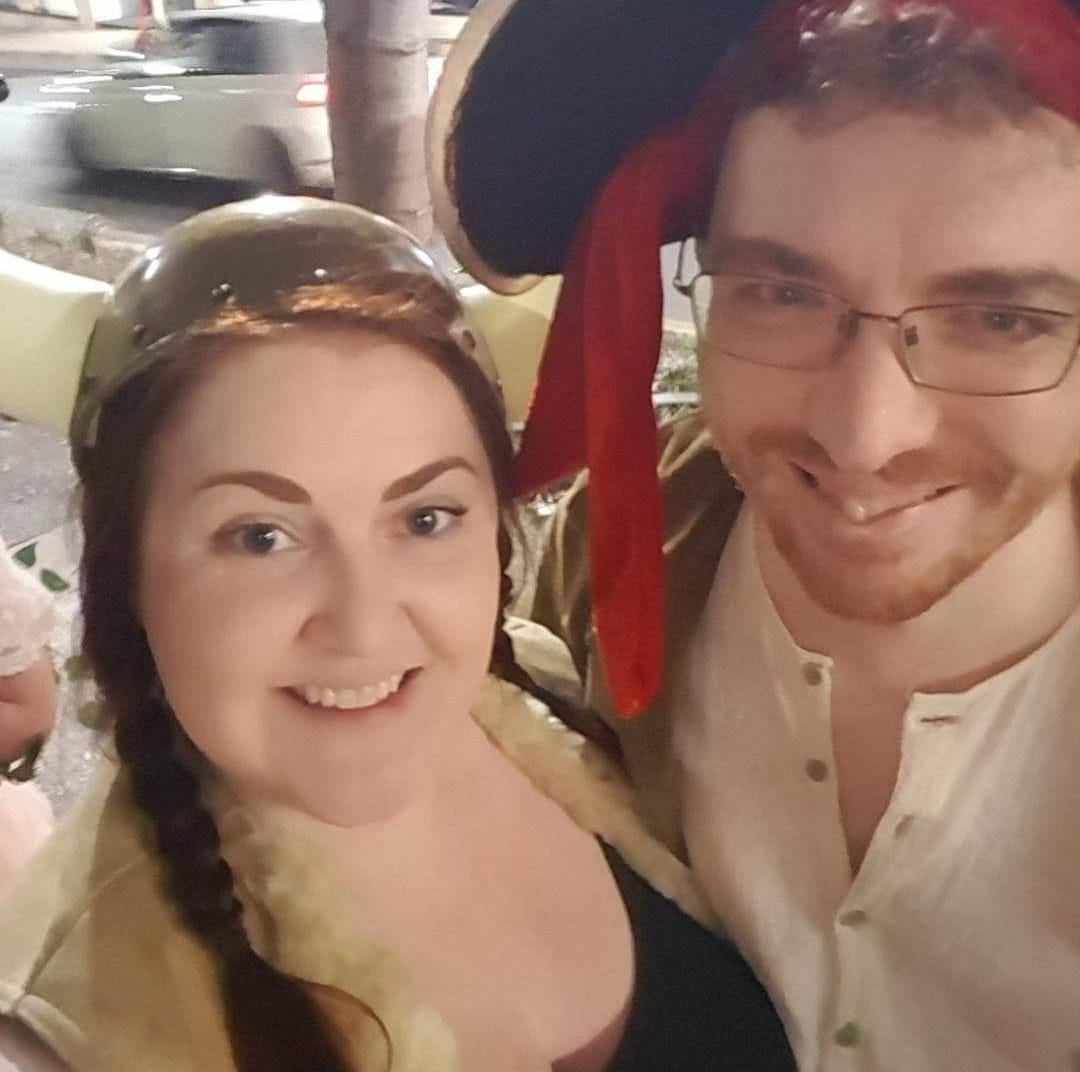
How did each of you come to gaming? Were you both already players when you met, or did one of you bring the other in?
Alex: My dad was a gamer, and I have happy memories of watching him play the original Warcraft, so I was a gamer from the onset. My gaming credentials are far from flawless, though for a long time I was pretty insular with the games I played, and assumed that whole genres weren’t for me because they were too casual, or too competitive. Poetically enough, my entry point into cosy gaming was trying to find something for Erin, only to tumble down the rabbit hole myself. It’s just one of the many, many ways she’s encouraged me to expand my horizons.
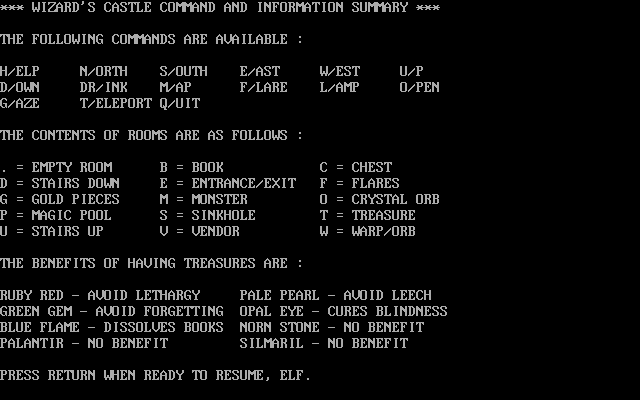
Erin: My gaming history is a bit more choppy. There were no consoles at home, although we were allowed to play games on the PC. I stopped playing as a teenager and only truly started gaming again when Alex introduced me. There’s one game you can still find and play online: The Wizard’s Castle, a text-only role-playing game written in about 5,000 lines of code. I always played as an Elf. My mum always played as a Hobbit. We never cracked it. That game has a lot to answer for.
Tea and XP is clearly a labour of love. But every podcast has its unglamorous side! What’s the most chaotic or embarrassing thing that’s happened behind the scenes?
Alex: That would be our recording space, the little blanket fort we need to set up for each episode. We call it the Pod-pod. When we first envisioned ourselves making a podcast, we thought it was going to be pretty chic. Perhaps we’d have a fortnightly ritual of coffee and podcasting at the library, or perhaps we’d invest in a proper recording space at home. “Oh that,” we’d say to visitors, giving a lofty wave to our sleek sanctum of technology and tranquillity. Maybe we’d even have a glass of wine during each episode.
The reality was a bit different. Every room of our home echoes like a drum, and the booking process for our library’s recording space combines the luck of a casino with the gladiatorial adversity of Roman blood sports. Recording under a heap of blankets wasn’t supposed to be a real option, we were only getting a benchmark for how much we could reduce background noise, but it proved to be the winner on cost, availability, and sound quality. In fact, every metric except personal dignity.
Erin: The Pod-pod is a lot of fun though! I suppose for me, there have been some episodes where we’re just exhausted. There’s nothing worse than recording a section five times because you just can’t say the words. Of course the sensible thing to do is stop recording, but sometimes that’s the only slot that week. We both have full-time jobs and plenty on our plates. But when we record errors we find funny, they go straight into the blooper reel, so there’s always a silver lining.
You’ve covered games that sit in genuinely contested territory, Dave the Diver being the obvious one. Do you go into episodes already knowing whether you agree, or does the disagreement emerge in the recording?
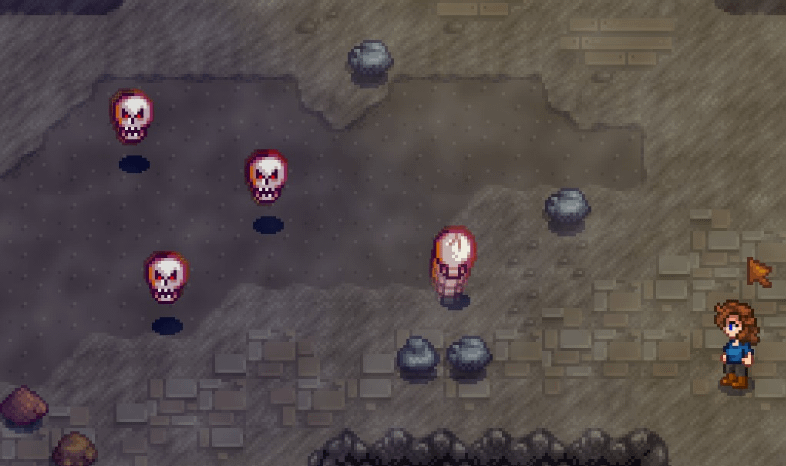
Erin: We plan the season based on some games we know we’ll rate higher or lower on our Cosy Scale. We knew Dave the Diver would, to us at least, count as a “barely” cosy game. Sometimes we have a loose plan. Stardew Valley surprised us. I just think a game with combat, monsters, and flying skulls can’t be the highest cosy rating. Alex is welcome to his wrong opinion.
Alex: I love your inference that flying skulls aren’t monsters! As Erin said, we only review games that we think are at least nominally cosy, and we usually have a good idea what the other person likes in a game. We don’t talk about the specific scores in advance though. Part of the fun is finding out how well you can predict your partner’s rating. It’s always kind of fun when I’m way off track. Even after all these years, Erin always finds a way to surprise me.
Cosy gaming as a couple sounds idyllic, but I imagine there are practical realities. How do you divide the playing?
Alex: Being elder millennials, we grew up with the family PC or a communal console, so taking turns was an integral part of our gaming upbringing. The habit stuck, and for story-focused games we tend to take turns. It doesn’t quite work for everything, though. There are plenty of cosy games that are fun to play but not so exciting to watch, especially where gameplay centres on a repetitive loop. For those, we tend to go with a “parallel playthrough” where we both sit down with our respective laptops and only play the game when we’re both available. It sounds odd, but it’s a really fun way to share a single-player experience: progress is roughly synched, so you get to share the excitement of reaching a new milestone, but there’s also a tiny bit of friendly competition when one person has a rare find and has to brag a little.
Erin: I play more cosy games than Alex, so often I’m the one playing first and Alex is more likely to watch. We both play the games we select for episodes though, so there’s often a second playthrough that Alex does, with me taking notes and lots of chat. We also stop for lots of tea breaks… it’s in the podcast name, after all!
Your episode on The First Tree dealt with some heavy emotional territory. How do you decide when a game is cosy enough to fit the show, even if it’s emotionally demanding?
Alex: If we wanted to reduce it to a single litmus test, it’d be whether you could play a game and feel calm enough to sit and read a book afterwards, but creating a strict definition is always going to be a doomed undertaking that arguably misses the point. Emotionally impactful games aren’t cosy due to some sneaky loophole. Creating a safe space for the thoughtful exploration of a difficult subject is something the cosy genre does really well. The First Tree doesn’t rely on shock value to get its point across. Its gameplay is couched in dreamlike visuals and calm narration that gives the player the space they need to process difficult emotions.
Erin: I think safe spaces to sit with uncomfortable events are crucial for our emotional development. If we’re shielded from all the bad things in life all the time, we potentially limit our empathy, grit, and fortitude. Plays, novels, film, and TV have done this for ages, and video games are another text that can do this. It’s one of the reasons we’re passionate about cosy gaming. Video games are texts like any other, so they can be beautiful, complex, and breath-taking, except you can interact with them.
What’s the game that’s surprised you most, the one that looked like easy territory but turned out to be far more interesting to discuss than you expected?
Erin: Discussing Night in the Woods was interesting for me. I had been drawn to the game’s art and I really liked the gameplay, but the last part of the narrative felt disjointed and rushed. Playing it a second time and really sitting with what the game was trying to achieve changed my mind a lot. The element I didn’t like (that the main character felt immature and stunted) was what made her relatable to many players who have felt the way Mae has in life. That character didn’t have to appeal directly to me, but she was able to convey a really interesting set of ideas about growing up, mental health, success, and failure.
The other one was Tiny Bookshop. I thought it was going to be more… frothy. The way it draws you into participating in this community by the sea was really appealing, and very moving by the end.
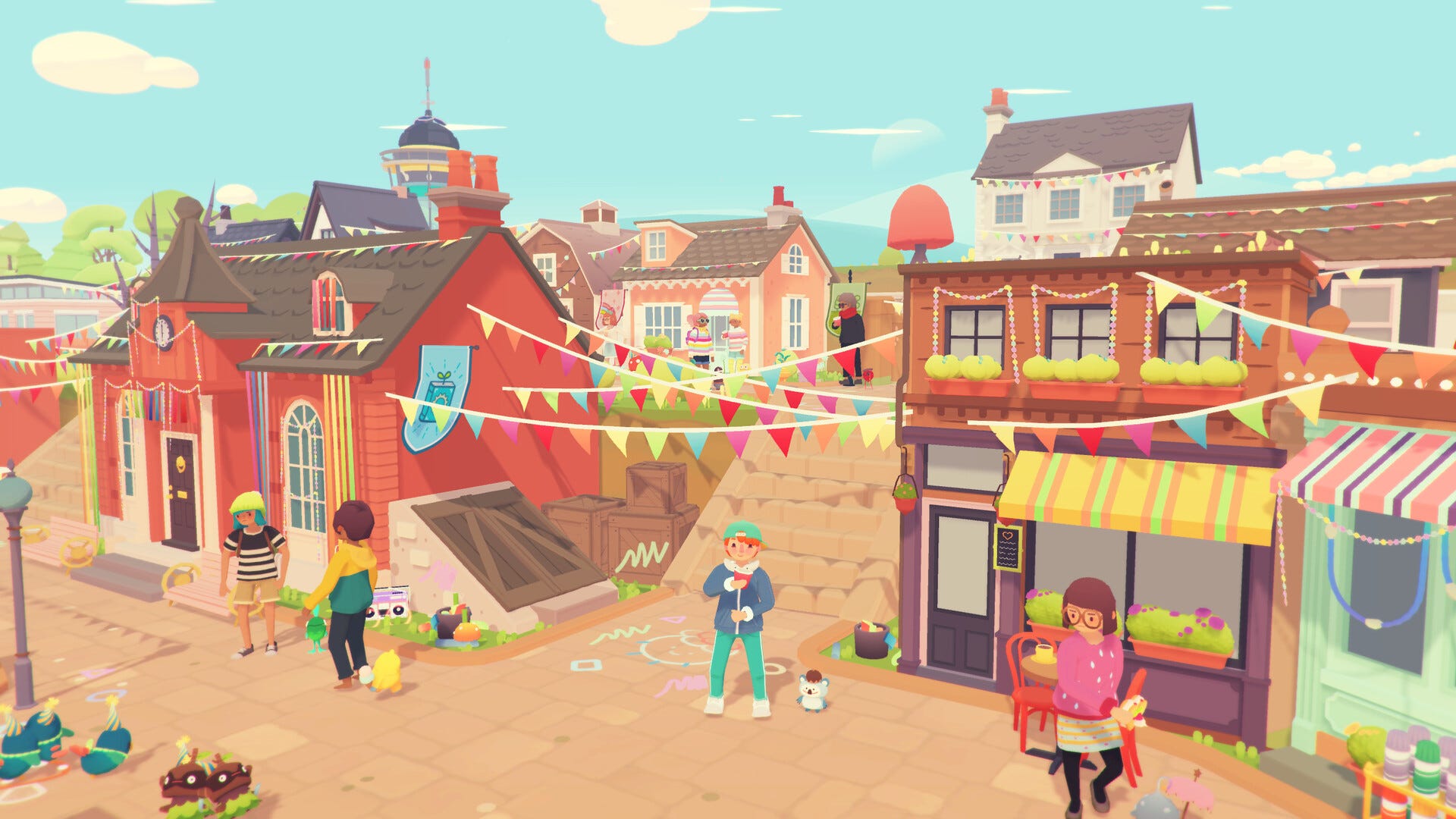
Alex: For me it was Ooblets. I thought it was going to be a simple one to review, a shortish game that hopped on the farming sim bandwagon, but there is so much to discuss. Mechanically it offers farming, creature collection, card battles, shop management, crafting, and so many minigames. Aesthetically it has the quirkiness dialled up to maximum, which will delight some people and exhaust others. It’s a handcrafted indie labour of love that still has some very human shortcomings. Even if we redid the episode with perfect hindsight, I still wouldn’t know where to start.
Is there a concept or argument about cosy gaming that you’ve genuinely changed your mind on since you started the podcast?
Alex: Can cosy games be stressful? This seemed straightforward when we started: cosy gaming is the antidote to stress, so the two things must be mutually exclusive. Obviously! It didn’t take long for the line to get blurred, though. A lot of undeniably cosy games have small, comedic instances of stress. In Dinkum it’s frantically splashing back to shore as crocodiles close in; in Stardew Valley, it’s your remorseful farmer racing home to beat the 2am curfew. Night in the Woods pushed this further, and then there’s Pixel Cafe, a game you could place in a list of top-10 cosy games, or top-10 most nerve-wracking experiences in all human existence, and either would be valid. The game’s “work” cycle revolves around staffing a kiosk alone, triaging orders of different complexity and urgency, and having small mistakes dramatically compound. But you need that alongside the slow-burn downtime story for the game to work. It’s cosy because it gives you a cathartic way to process stress, like how a slightly painful massage can paradoxically be a really relaxing experience.
Erin: For me, it’s changed my mind about accessibility in gaming. Playing games while asking yourself “what would this be like to play if I had slow reflexes?” or “could this be played without two perfectly working hands?” might seem obvious to others, but it helped us examine not only our privilege of health but also appreciate the ever-increasing consideration that accessible gaming is receiving. Everyone should be able to access their hobbies. It’s really cool when developers build that into the core of the game.
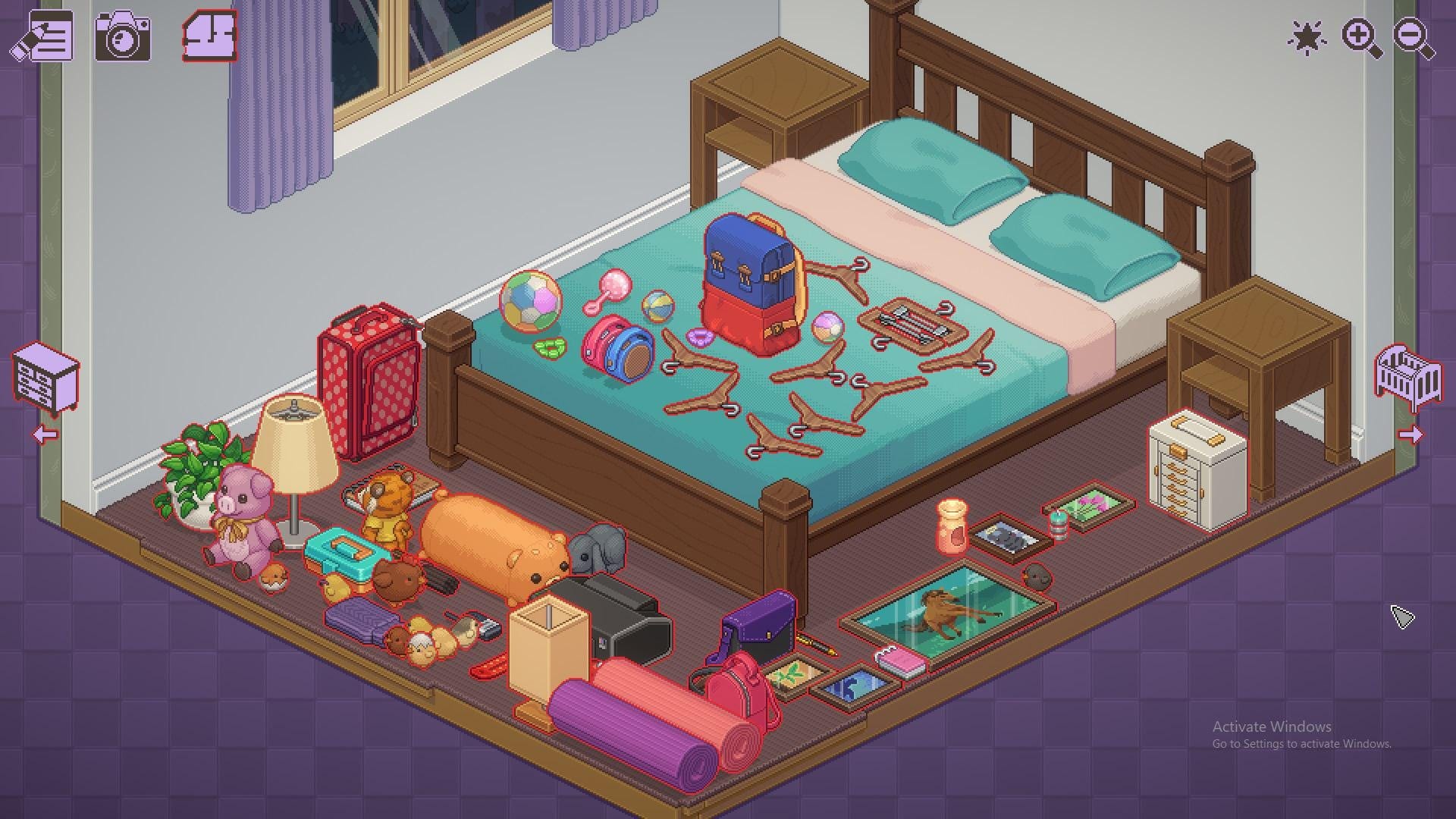
Unpacking was your first episode. Looking back, was that a deliberate choice, and would you cover it differently now?
Erin: It was a deliberate choice. When you’re embarking on a new project, there’s something to be said about starting with the familiar. Unpacking really helped us start podcasting because it allowed us to tap into the passion we have for cosy gaming, and talking about your passions is easy.
Alex: It was the perfect starting point. It was Erin’s re-entry into gaming, and the game that really showed me that cosy games have something special to offer. In terms of what we’d do differently, there was one oversight: we didn’t talk about the game’s secret Dark Star Mode. At the time we didn’t want to spoil anything, but it turns out everyone knows about it anyway, and they love to showcase the humour and chaos of this “wrong answers only” game mode.
Do you think there’s something specific about experiencing cosy games as a couple that changes what you get out of them?
Alex: It’s less about playing as a couple, and more about the universal question of: do I hang out with my best friend or have some alone time? But I’d say it’s always nice to share your thoughts on something. Whether you’re doing that on social media or with the person sitting next to you is entirely a matter of preference!
Erin: I think the togetherness, even when playing separately, is a wonderful perk of being in a gaming couple. We do a lot of parallel play in our household, whether it’s one of us gaming, one reading, one writing, or one painting minis, and playing the same solo game at the same time is an extension of that. It allows us to have this lovely common experience, which is surely part of what being in a relationship is about.
Alex: There is one thing that changes specifically when playing as a couple: in-game romance. Dating and marrying an NPC is no big deal if you’re gaming solo, but when you’re doing it as a couple it has the potential for both hilarity and embarrassment when you subconsciously reveal something about your romantic “type.” I ended up marrying Leah in Stardew Valley (a self-sufficient, conscientious girlboss with red hair), Lucia in Sun Haven (a self-sufficient, conscientious girlboss with red hair), and dating Adeline in Fields of Mistria (a self-sufficient, conscientious girlboss with pink hair). Conversely, Erin picks marriage candidates entirely at random, and it’s a pure coincidence she always ends up with an introverted type-B trainwreck.
Finally, what’s the game you’re most looking forward to discussing, and is there one you’re slightly dreading?
Alex: I’m dreading Sun Haven. It’s a great cosy game with some distinctive takes on the farming sim genre, but it’s marred by real-world controversy regarding uncredited artists. I’d usually say it’s important to discuss any controversy candidly, but it poses some particularly thorny issues I honestly don’t know how to broach. Are we tacitly endorsing a toxic work practice if we review the product? Conversely, does boycotting someone’s uncredited work actually help them, or does it just make us feel empowered at their expense? What about other legitimate contributors caught in the crossfire? Is it ethical to sink the whole ship to punish the captain? The very recent addition of partial credits only muddies the waters further.
You can find Tea and XP wherever you get your podcasts. I’d particularly recommend their Wanderstop episode, which closes out season one. It’s a great introduction to what they do.
What a lovely interview. You ask such great questions and I love the responses. I feel like a got a real insight to Erin and Alex as gamers and people and the vision of the pod pod is great. 🥰💚🌟
Thank you so much! We really liked your thoughtful questions, and deliberating over how to answer them!