

I bought the physical copy of Pokopia last week (well, I say physical, it’s a Game-Key Card, which is a whole other conversation…) because I wasn’t sure I’d enjoy it. The art style wasn’t for me going in, and the blocky, childlike aesthetic isn’t something I tend to gravitate towards. Consider this your disclaimer: this is one woman's opinion on a game she wasn't sure about buying, and it should be read accordingly 😉
People told me, both online and in real life, that this was the game of 2026. I couldn’t go wrong with it, and as I already had a Switch 2, I picked it up and gave it a fair shot. I like playing games I’m not sure about sometimes, as they can have a habit of surprising you.
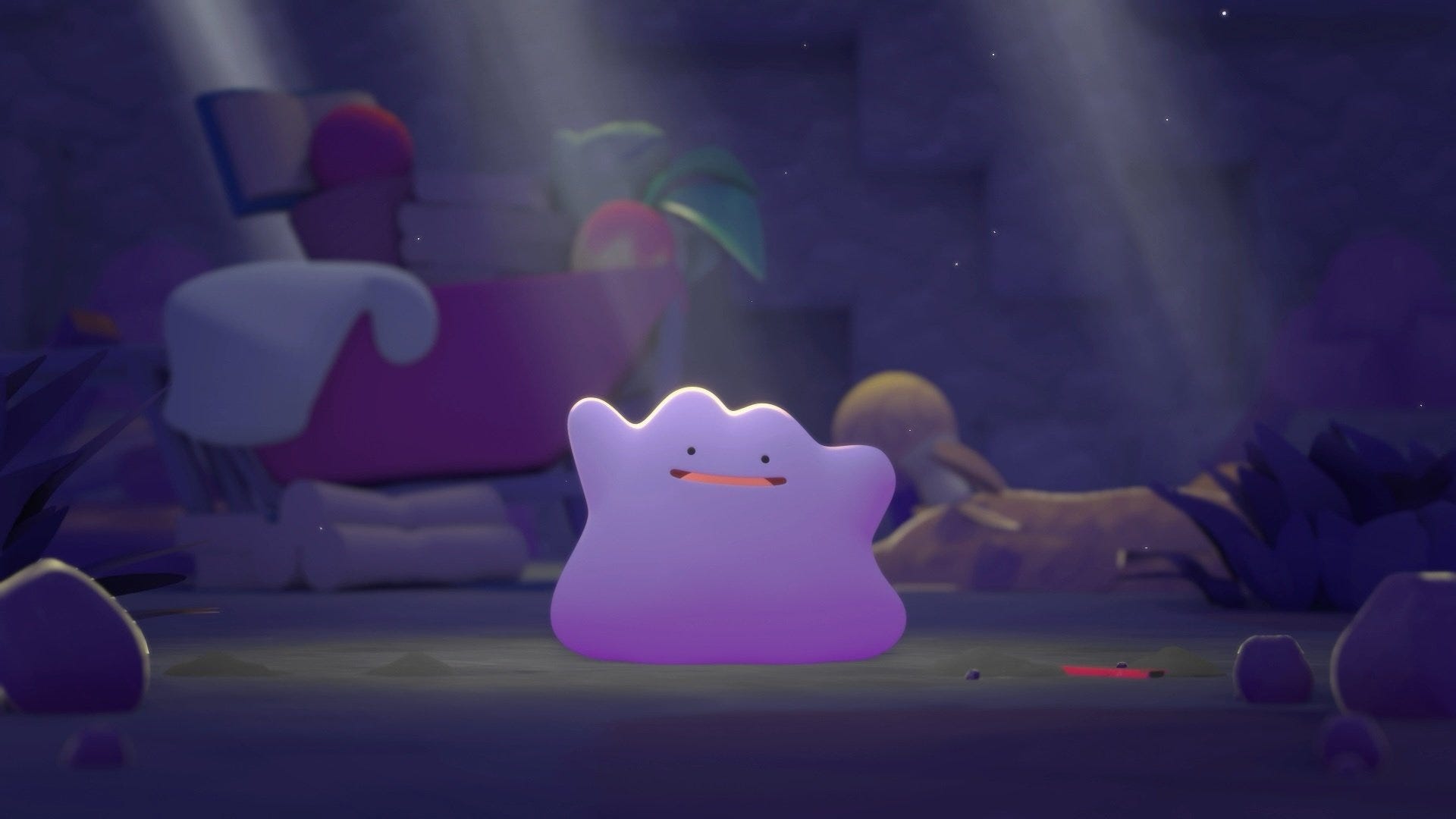
First off, the concept is clever and cute! You play as a Ditto, in human form, in a world without humans, trying to restore it and bring Pokémon back to life within it. There’s an environmentalist undercurrent to the whole thing, and Pokémon has always carried that subtext, but Pokopia leans into it a lot more.
For the first ten or so hours, I was there for it. New Pokémon were appearing, the interactions between them were frequently funny and warm, and I was in a world that felt like it had things to discover. There’s warmth and craft in this game that I won’t dismiss. But when I got to the second area and realised it was just going to be more of the same, I’m afraid the spell broke.
Pokopia is often described as Animal Crossing meets Minecraft, and that’s accurate I think, but it’s also exactly why it lost me. I really don’t want to make bricks all day, and I don’t enjoy the building. I find it messy, unintuitive, and boring. The storage mechanic is appalling. The sheer number of near-identical block variants is baffling. And if you want to undo something you’ve built you have to crush it and rebuild it and replace it again. It’s exhausting. The world never looked good to me either, even after effort had been put in it was always a mess. Probably a me issue, but as I’m the one playing, there’s not really much I can do about that.
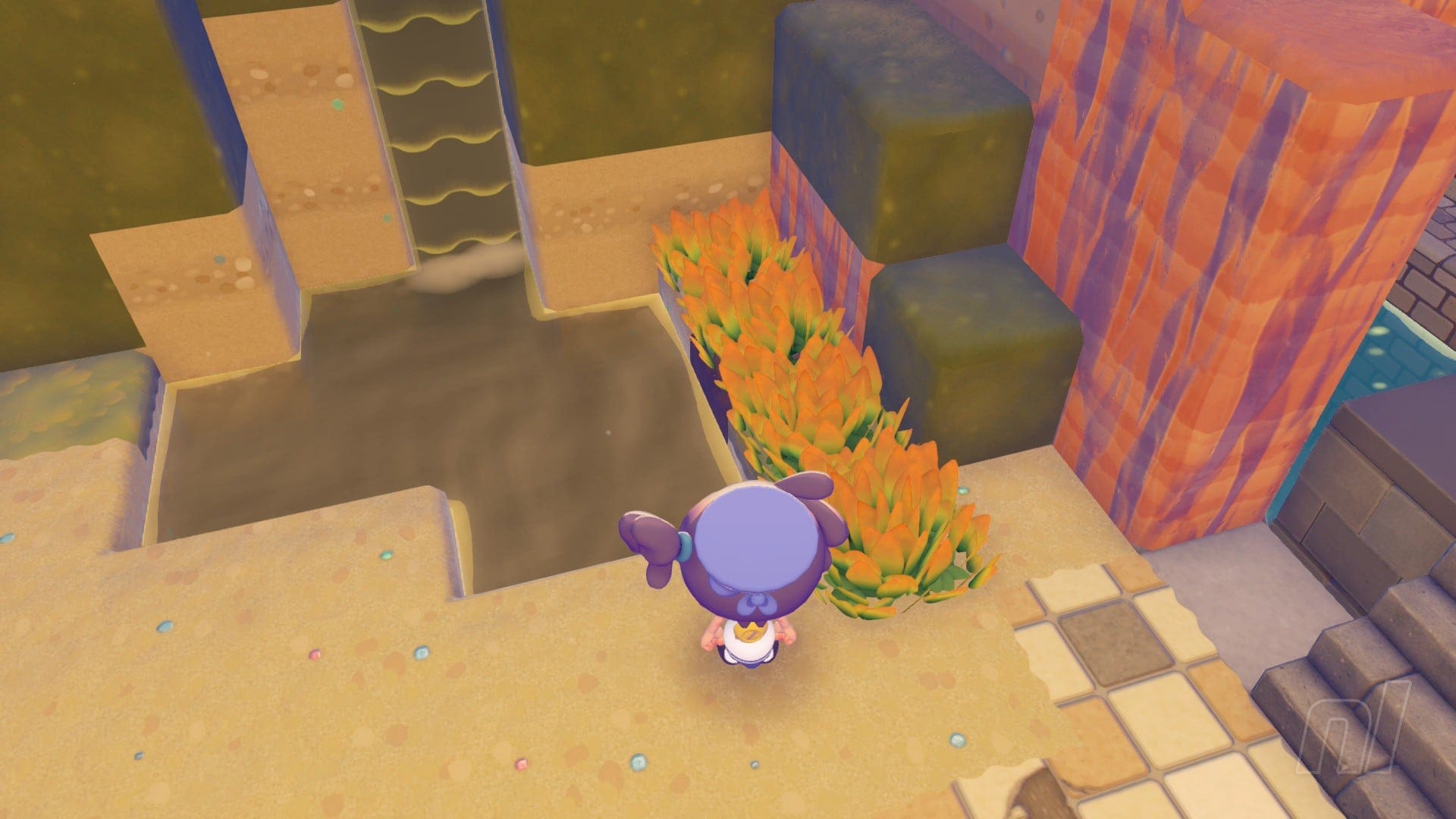
Defenders of Pokopia (and there are many!!) would push back on any suggestion that this is a simplified, child-friendly experience. It isn’t. The game is, in fairness, genuinely complex: there are systems within systems, hundreds of Pokémon to catalogue, and enough depth that the end of the story need not mean the end of the game. What the game really wanted from me, though, was a team of fifty-plus Pokémon, each assigned to specific jobs, each requiring a tailored habitat.
I’ve been thinking about why Pokopia’s scale exhausted me when other sprawling games haven’t. Graveyard Keeper, a small indie from Lazy Bear Games, is enormous. It’s a management sim with a tech tree, a skill tree, multiple NPC questlines, ethical dilemmas about what you’re actually grinding up for the village hot dogs, and an open-ended structure that could swallow weeks. It is not a small game. Yet I never felt overwhelmed by it the way I do with Pokopia. I’ve wondered why, and I keep coming back to the same answer: Graveyard Keeper’s humour is dark, its art has grit to it. Its world has consequences and a black comedy running through it that made even the repetitive tasks feel like they had a personality. Pokopia’s world, by contrast, is bright and smooth and relentlessly cheerful, and I just didn’t enjoy it as much.
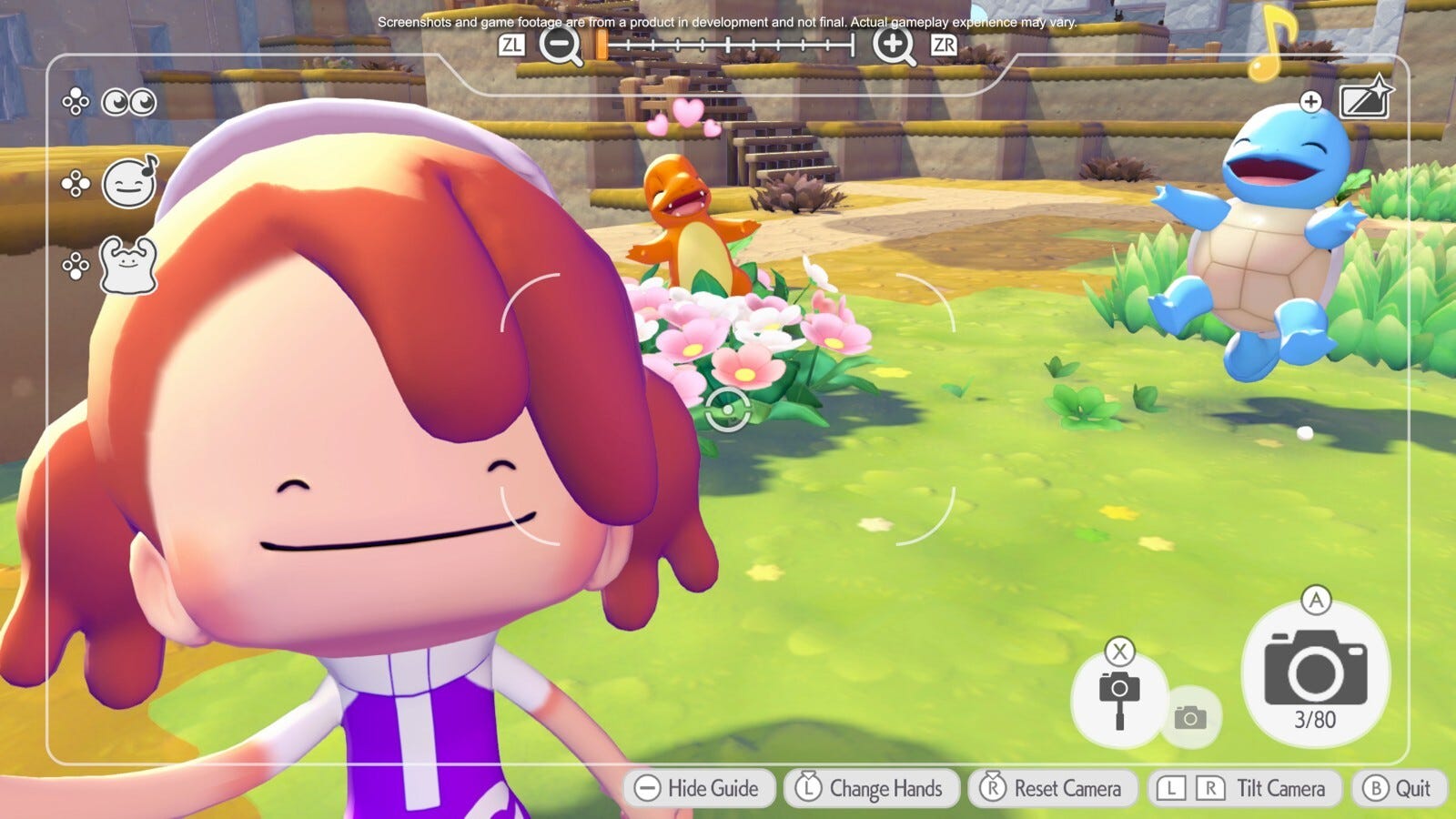
There’s a bigger point worth making here, too: Pokopia gets called cosy, but it’s really a sandbox, and I don’t think those two things are necessarily the same. Stardew Valley, for all its sprawl, is goal-oriented. There are relationships, and a farm with a shape and a purpose. I can sink endless hours into Stardew because it has a rhythm I can follow. Pokopia is just more space, more Pokémon, more habitats, more of the same thing, expansively, indefinitely. For me, around the ten-hour mark, more became nothing at all.
This is not a failure of the game, it’s just a failure of fit. Pokopia clearly works brilliantly for the kind of player who finds fun in open-ended building, who can lose a whole afternoon to terrain and decoration and doesn’t need a destination. I’m just not that player. I knew going in that I probably wasn’t, and the people who told me I was wrong about that were, it turns out, projecting their own experience onto mine.
There's an old critical snobbery that used to dog indie games, which was the idea that without the budget, the scale, the recognisable IP, they couldn't be as well-made as the big releases. Pokopia is the big release. It has the scale, the polish, the brand, the marketing push, and a price tag to match. Yet a game I picked up for a tenth of the price, made by a handful of people in a small studio, with no IP to lean on and no marketing budget to speak of, has left a deeper mark on me than Pokopia managed in ten hours. The indie tax runs in both directions, though. You can pay a premium for a game that doesn't move you, just as easily as you can spend next to nothing on one that does.
Pokopia is a good game, it's just not for me. The older I get, the more at peace I am saying that about a game the whole world seems to love. And apparently I can resell the Game-Key Card, which is the most useful thing I've learned from this entire experience.
It sucked me in nonstop for the first few weeks... but it's TOO much like AC in my opinion minus the ability to terraforming. I haven't touched it in a month or so though. I just got super burnt out and I was running out of houses to make in certain places. I don't like that you can only have a certain amount of houses per area.
It's a cute brain off game, but it leaves a bit to be desired, for sure.
I've been wanting to get Pokopia, I need a Switch 2. The way you describe it sounds fun but not having any goals or quests like a Stardew does make it sound like it can get stale quite quickly. I do agree that I've spend tons of hours in indie games that cost a fraction or less of the price of a Pokopia. I really enjoyed your article.