

I’m 42, and I’ve been playing video games for ages. It doesn’t feel particularly weird saying that anymore; I speak to gamers in their 40s all the time, and my subscriber base is testament to the fact that we exist! But the gaming industry doesn’t seem that interested in growing old with me. While I’m getting older, the characters in the games I play seemingly aren’t, and if I want to play as a woman my own age? Well, good luck with that.
According to the Entertainment Software Association’s 2025 figures, 28% of video game players in the US are aged 50 or over1. AARP’s own research found that 45% of Americans aged 50+ play video games, representing more than 52 million people2. Plus, women in this age group aren’t just occasionally playing Candy Crush on their phones either (not that there would be anything wrong with that). Among gamers aged 50+, 52% of women said they played every day, compared with 37% of men3.
So older people play games, older women play games. You wouldn’t necessarily know that from looking at the people we’re given to play as, though, would you?
Where are all the older women?
In 2025, AARP and the Geena Davis Institute on Gender in Media looked at age representation in 49 of the bestselling PC and console games from 2023. They found that only 7% of the preset human or human-like playable characters they analysed were aged 50 or over, which is already pretty terrible. To make this worse, 94% of those older playable characters were male, and 67% were white4.
So you can grow old in a video game, but you’re more likely to do so if you’re a man. This doesn’t align with what the data is telling us about who’s actually playing the games. It’s not a tiny group of older women who accidentally stumbled into gaming (oopsie what’s this? Oh a controller?) Women have been playing video games for d-e-c-a-d-e-s, but the characters haven’t caught up with us.
Men get older… Women seem to disappear.
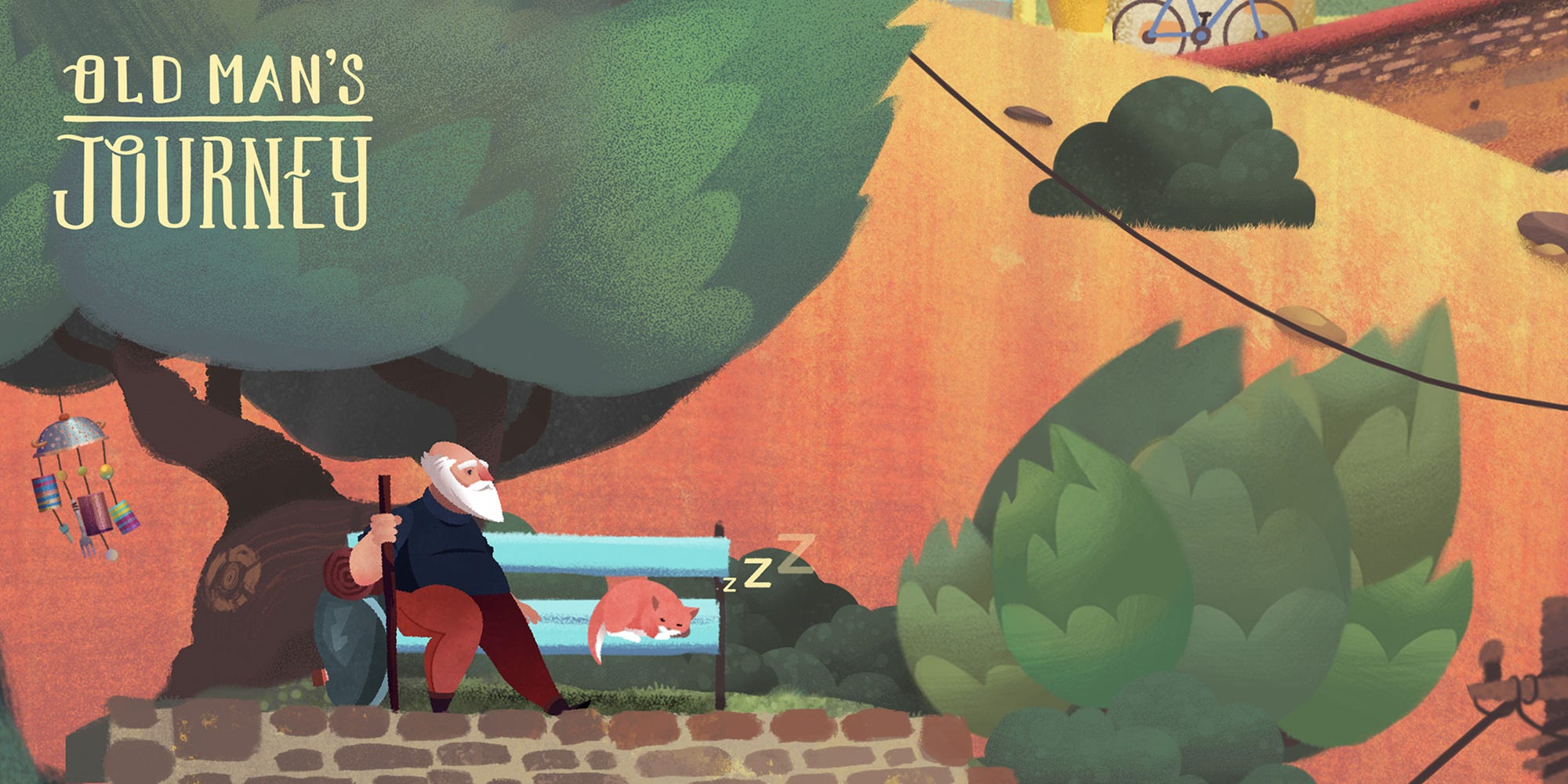
As we’ve seen, games have plenty of older men; hell, there is basically a Sad Old Man genre in cosy gaming… Age is often part of what makes these characters interesting, but older women don’t get quite the same deal.
The AARP research found that older characters were frequently pushed into familiar stereotypes:
the wise mentor,
the elder in distress,
the “silver fox” or
the vain sorceress.
The vain sorceress, an older woman who wants to be young again, has been a convenient villain for stories for as long as stories have been told, and games have plenty of their own versions of ageing tropes.
Baldur’s Gate 3 has Auntie Ethel, the sweet old woman who is actually a hideous hag. There’s The Witcher, where powerful sorceresses like Yennefer are much older than they look, their age hidden with magic. What seems completely absent is just a normal middle-aged woman like me.
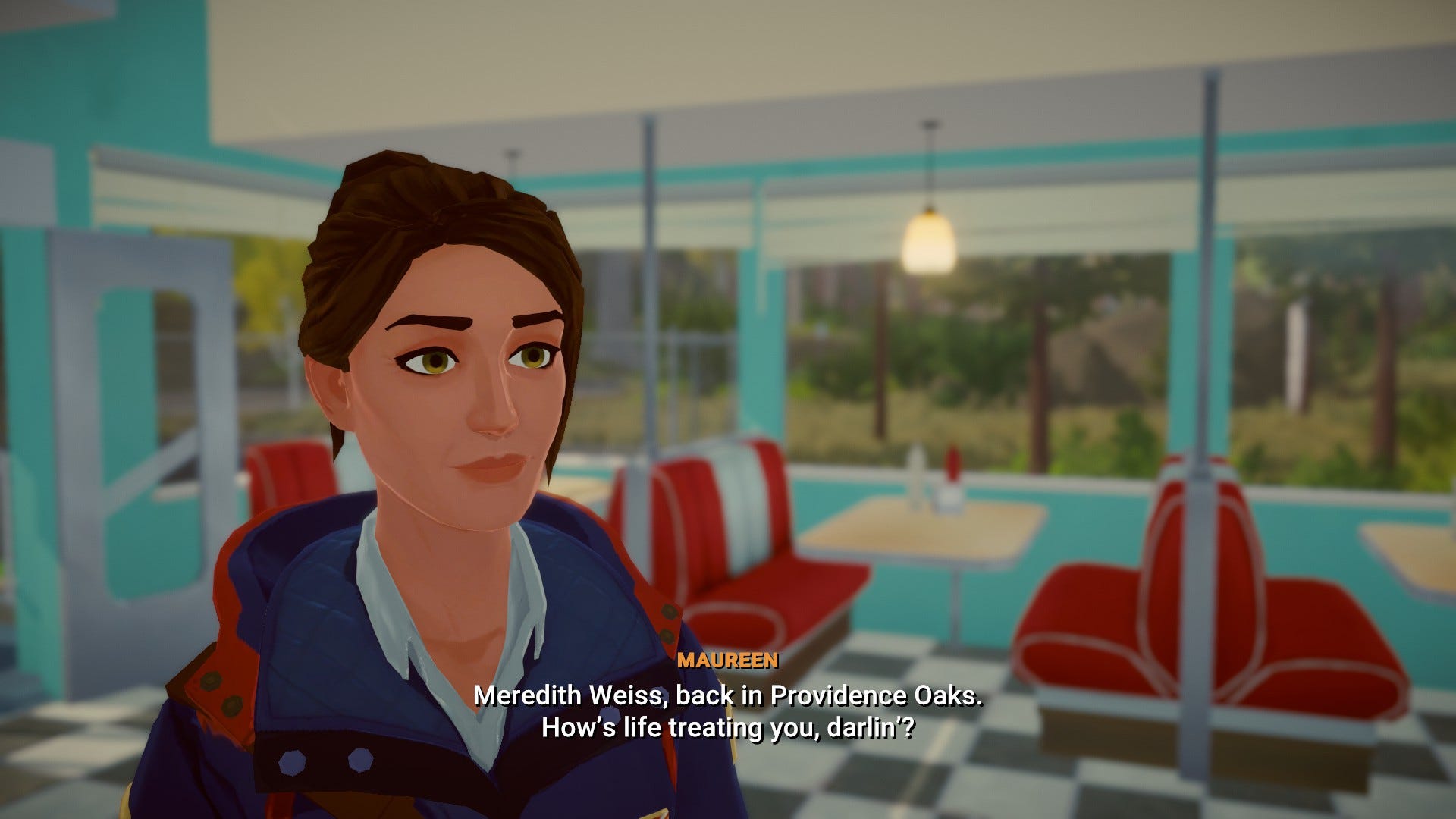
One of the few examples I can immediately think of is Meredith Weiss in Lake. Meredith is in her forties, has a career in software, goes back to her hometown for a couple of weeks to cover her dad’s job delivering the post, reconnects with people and has the option to start a new relationship. Meredith is a middle-aged woman trying to work out what she wants to do next, and her age isn’t a plot point; the game doesn’t remind you that she’s an older woman - in fact it would be difficult to know that at all. She’s allowed friendships, romance, a career change and a bit of a midlife wobble wondering what she’s going to do with the rest of it.
I've written before about cosy games with older protagonists, so they do exist. There are some lovely examples, too. I just wish I didn't have to go looking so hard for them.
Character creators don’t always solve it
You’d think games with character creators would fix this problem, and sometimes they do, but even then, people don’t often just become wrinklier versions of their 25-year-old selves.
The AARP study looked at this and found that age customisation was often pretty limited. While 80% of the games with customisable human characters offered at least some way of making a character appear older, only 20% allowed players to choose an explicitly older preset character.
This is better than nothing, but we’ve set the bar pretty low if “you can put grey hair on her” counts as good age representation, don’t you think? I don’t need every character I play to be a 42-year-old woman, that would be boring. One of the joys of games is getting to be somebody else, but the point is the range.
There’s evidence that representation of women more generally is changing. A 2026 study analysing 795 female characters across 188 popular games released between 2011 and 2022 found positive changes over time, including female characters being portrayed as more capable, important and less sexualised5. There are still gaps, but things have definitely improved.
So maybe age is one of the next things gaming needs to catch up on? When I’m in the 50+ group used in all of this research, I plan to still be playing games, but I don’t want gaming to “cater to older people”. I don’t want special middle-aged games or protagonists designed to teach me valuable lessons about ageing. I just want older women to exist in games in the same interesting ways everyone else does. Give them careers and swords and spaceships and farms and terrible decisions and romances and quests….
Let them save the world, or let them spend 40 hours restoring an abandoned cottage and growing turnips. I’d be perfectly happy with either.
If you fancy hanging out and chatting about cosy games, I’m also over on YouTube where I stream whatever I’m enjoying at the moment!
https://www.theesa.com/resources/essential-facts-about-the-us-video-game-industry/2025-data/
https://www.aarp.org/personal-technology/50-plus-gamers/
https://www.aarp.org/pri/topics/social-leisure/activities-interests/2023-gamers-50-plus/
https://geenadavisinstitute.org/research/aging-in-play-representations-of-age-in-video-games/
https://www.sciencedirect.com/science/article/abs/pii/S1875952126000297
Good thoughts. And let's not forget older folks like us have the ability to spend on a good game.
Though I also think making a good game for a more seasoned person is a lot harder. For example, simple plot/characters/gameplay aren't as satisying since we have probably played/lived through more complex experiences in real life.
Time commitment is another problem, as most games designed to be "addictive" are harder to fit in the life of a busy adults.
In some regard, I find interactive fiction a pretty good middleground. I get complex stories with a little time investment.
Please do share with us more if you find good games ;)
Firstly, thank you for such a thoughtful, well-written and well-researched post! I've also been gaming since the 90s, so I've been playing certain types of video game characters/protagonists for so long that I no longer question it. From mustached Italian-American plumbers to various young men in many JRPGs, and as you said, characters/protagonists were and still are predominantly male or could be mistaken as male (I was surprised when I found out about Samus in Super Metroid!)
As women gamers, I think we spend a lot of time playing as male protagonists that it no longer fazes us. It's sadly a treat when we do get to play as a proper female protagonist, and not just a... co-protagonist? Side-protagonist? (Like Yuna from FFX, whom I thought I would play a lot more of since she's literally on the logo.) Older women are definitely harder to find in games, so thank you for the list. I am not sure if it will count as a cozy game, but have you tried To the Moon by Freebird Games? Although her age is not explicitly stated, Dr. Eva Rosalene is quite mature, especially when compared to her partner. 😅 Nevertheless, such a wonderful story to experience blind if possible. The music still tugs at my heartstrings.
Thank you again for the post. Great read!